
[en]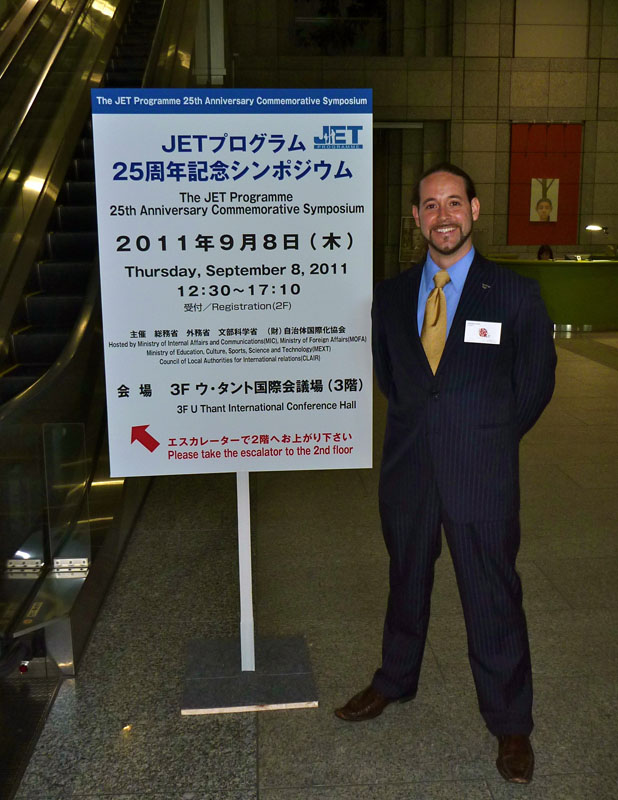 It’s been a significant month in the world of the JET Programme.
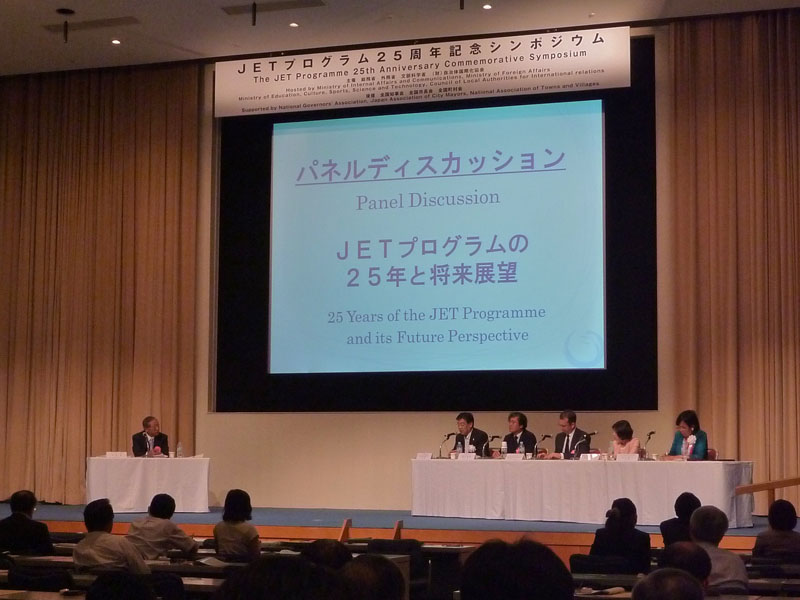
On September 8th, the ministries hosted a commemorative symposium at the University of Tokyo to discuss 25 years of the JET Programme; what it has accomplished, and what challenges it faces today. The symposium featured many notable
speakers, such as United States ambassador to Japan, John Roos, and Ms. Yoko Kimura, the Chair of the Board of Directors of CLAIR.
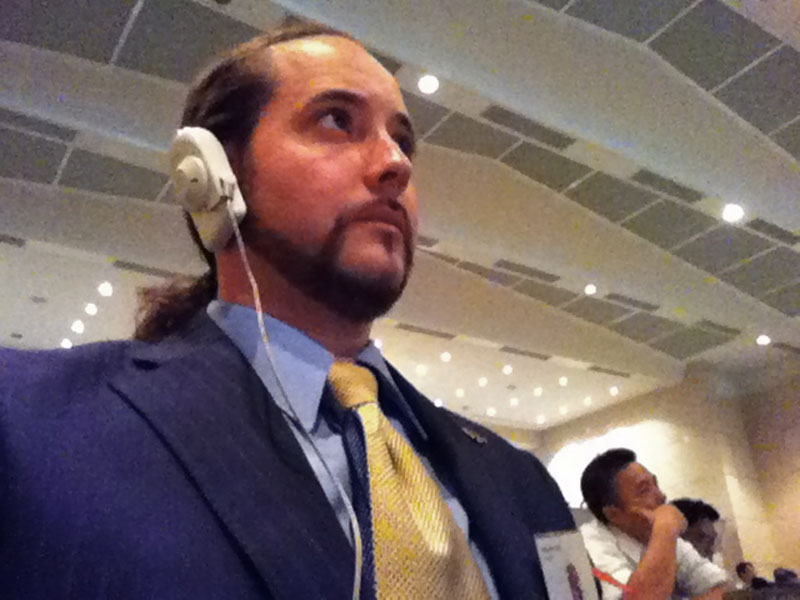
On behalf of AJET, myself and AJET council members Mark Noizumi (treasurer) and Amelia Hagen (Block 10 rep) attended. After brief opening statements by the ministry heads, many speakers were given the chance to spotlight JETs’ achievements, and voice issues pertinent to the program.
One issue, for Japan as a country, that repeatedly came up was the fact that the number of Japanese students who study abroad or attend universities in foreign countries has been on a steady decline for years. This is particularly troubling in light of Japan’s efforts to globalize as more and more businesses are enforcing English as a required standard.[/en]
[ja]
9月8日、各省庁は東京大学にて記念のシンポジウムを開催し、これまで25年間の間にJETプログラムが達成してきたことや、現在、直面している課題について話し合いました。シンポジウムでは、米国駐日大使ジョン・ルース氏や、CLAIR(自治体国際化協会)の取締役会会長の木村陽子氏など、著名な方々にお話しをしていただきました。
私は、幸運にも、AJETを代表し、このシンポジウムに出席することができました。省庁の大臣の挨拶の後、JETプログラムの活動実績や問題点、そして成果についてなど、たくさん参加者に発言の機会が設けられました。
その中で、近年の日本において、海外へ留学する日本人の学生が減少している事実などが挙げられました。英語能力がますますビジネスの条件になっている中、国際化に努めている日本にとって、これは特に深刻な問題です。
[ja]JETプログラムにとっての致命的な問題は、JETプログラム以外の個人、または人材会社を通じてALTを採用している教育委員会の数の増加です。JETプログラムが直面しているこれらの問題に対して、どのような方法で、有効的に、私たちの活動の大切さや地域への貢献と、それによってうまれる利点を宣伝していくかということが課題になっています。[/ja]
[en]A highlighted concern for the JET Programme itself was the increasing number of Boards of Education who hire ALTs privately, or through recruiting companies other than JET. One of the many challenges the programme faces is how to best promote the value of what we do, and the return on investment that we can provide to the communities we serve.
 As the Chair of AJET, I am fortunate enough to work with many people who have done amazing things with their time on JET. As such, I am aware of the many benefits of the JET programme that are sometimes overlooked. However, this made me question…. is everyone else?
How do we as JETs promote the value of what we do and the return on investment that we provide to the communities we serve?
For example, did you know that over 20 of the employees at the U.S. Embassy in Tokyo are former JETs? Did you know that after the March 11th disasters, current JETs raised an estimated ¥140,000,000 yen towards the relief efforts? These are only two examples of ways that JETs have given back to Japan. The benefits of JET are vast, and the elimination of the program would have far reaching consequences.
Toward the end of the day, the governor of Kyoto made an interesting point that stuck in my mind. He said that he believes the competition of privately hired JETs and the decrease of requests for JETs is actually a good thing! He reasoned that this competition would serve as a stimulus for positive change in our programme to become better and to show more quality than it ever has in the past.
For more pictures from the event, click here.
 That’s when I realized…. We ARE the positive change in the system now. As we speak, AJET has been working on more ways to provide resources to make JETs better teachers. Ways to learn Japanese more fluently. Opportunities to develop ourselves professionally in the field of education.
Not only that, but we’re finding better ways to connect to each other online and in person via social media and larger scale, better planned volunteer efforts! We’re finding better ways to let JETs VOICE their opinions and concerns to the not only the ministries, but to the people we interact with in our communities and workplaces everyday!
So, do we need to wait for the ministries to “save JET”? Should we wait for JET Alumni to prove that the Programme is a world-renowned program, that should be held in the highest regard so that we have luck with future employers?
No.
We need look no farther than to ourselves for this. We ARE the future of JET. Current JETs lay the ground-work for our successors who come next to fill our shoes.
I feel honored to have attended a symposium of so many people who have made amazing contributions to the JET Programme, and who all have a stake in its survival. I think we should take this symposium as a reminder that now
is the time for us to make more of this experience. The time is now for us to work together to be something MORE. I personally can’t wait to get started making that happen. I hope you’ll join us.
Matthew Cook
National AJET Chair
Symposium Speakers
Jim Gannon
Former JET and Executive
Director of the U.S.
based Japan Center for
International Exchange.
Keiji Yamada
Governor of Kyoto
Prefecture, President of
the National Governors
Association
Masao Niisato
Professor at Tokyo
International University
Angus Lockyer
Chair of Japan’s Research
Centre, University of
London
Jin Ah Kim
Director of International
Cooperation Department,
Governors Association of
Korea
Yoko Kimura
The Chair of the Board of
Directors, CLAIR
Akira Nakamura
Emeritus Professor[/en]
[ja]
AJETの会長となり、JETプログラムを通して素晴らしい経験をされたたくさんの人々と仕事する貴重な機会にも恵まれました。そして、普段見逃がしがちなJETプログラムの良さも認識しております。皆さんはいかがでしょうか?
例えば、東京のアメリカ大使館の職員の内、20人以上がJETプログラムの元参加者であるということをご存じでしょうか。3月11日の大震災の後、救援活動のためにJETプログラムの参加者が約一億四千万円の募金を集めたということをご存じでしょうか。JETプログラムの参加者の、日本の社会へ対する貢献はこの2つだけに限られません。JETプログラムのメリットは幅広く、プログラム終了後に及ぼす影響も広範囲に渡っています。
シンポジウムも終わりに近づいたころ、京都府知事がおっしゃったことがわたしの心に残りました。彼は、個人的に採用されるALTの増加とJETプログラムへの依頼の減少は、実は好都合だと言われたのです。なぜなら、このような競争から、JETプログラムの魅力をもっと伝え、今後の改善を目指す好ましい変化への刺激となるからだ、と言われました。
それにより、私たち自身が好ましい変化だということに気がついたのです。
AJETは、JETプログラムの参加者がよりよい教育者となるために可能な限りのサポートを提供しています。日本語が上達するための方法や、教育の分野でプロフェッショナルとして成長するための機会を与えているのです。
それ以外にも、参加者同士がお互いに繋がり合えるように、ソーシャルメディアやインターネットを通した方法、更にはボランティア活動を企画したりなど、より良いコミュニケーションの方法を探求しています。JETの参加者が各省庁だけでなく、日々日常において職場の同僚や社会において接する人々にも、自分の意見や悩みなども発言できるように力を入れています。
さて、私たちJETプログラムは各省庁からの救いを待つべきなのでしょうか?
JETの同窓生に、このプログラムは世界で名高く、将来のキャリアのために最大限に評価されるべきである、ということ証明してもらのを待つべきなのでしょうか?
いいえ。
待つのではなく、私たち自身がJETの未来となるです。現在のJETの参加者は将来やってくるJETの参加者のための基礎作りをしているのです。
私は、JETプログラムに素晴らしい貢献をしてきた人たちや、JETプログラムの存続という役割を担う人たちと一緒にこのシンポジウムに参加できたことを大変光栄に思っております。このシンポジウムはJETプログラムにとって、私たちの経験を充分に活用するべきだということを考え直す良いきっかけになったと思います。今、私たちが一致団結することによって、さらなる成果が生まれるのです。
このような変化を皆さんと共に実感できることを心待ちにしております。
来月またつながりましょう。
[/ja]